


Fastener
Why Choose Us?
Lanqiaoying technology passed ISO9001, TS16949. now we have a complete range of testing equipment, Such as, CCD full range detector, IM-6225 Japan image size measurer, projector, torque test machine, Japan tension test machine, salt spray test machine, life span tester, film thickness measurer, hardness tester, microscope to control product quality.
Our technical team has 15 years' experience, specializing in the fields of precision hardware, copper nut, spring, kitchen ware, kitchen products, stainless steel products, and professional metal surface treatment, can provide professional product design to our customer.
Now our product is widely use in communications, medical, electronics, digital, watches, automobiles and other high-end areas, and we have already cooperated with many famous brand such as BYD, Beijing Hyundai, TOYOTA, VIVO, SIEMENS, Midea, Apple...
We can better understand the customers' ideas according to the product size information, product materials, product quantity, or customers can provide pictures or drawings. Besides our existing molded products,our company also can produce polyurethane products according to the drawings or samples from our customers.
What is Fastener?
Fastener is a hardware device that mechanically joins two or more objects together. It can be a screw, bolt, nut, washer, pin, rivet, or other devices that secure two or more components or materials in place. Fasteners are essential for assembly, construction, and maintenance of various objects, from furniture and vehicles to machines and buildings. They come in various sizes and materials, such as metal, plastic, or composite materials, and can be designed for specific applications depending on the load-bearing capacity, corrosion resistance, and other factors required by a particular use.


We're well-known as one of the leading fastener manufacturers and suppliers in China for our customized products and wholesale service. Please feel free To buy quality fastener made in China here from our factory.
Advantages of Fastener
Safety
Fasteners are critical to ensuring the safety of structures. Properly selected and installed fasteners ensure that materials are securely fastened together and that structures can withstand the loads and forces placed upon them.
Durability
Fasteners play a key role in ensuring the durability of structures. They must be able to withstand environmental factors like moisture, heat, and corrosion and must be made from materials that can withstand the rigours of the construction process.
Stability
Fasteners help maintain the stability of structures. They can be used to reinforce and strengthen connections between materials and structures, providing additional support and ensuring that the structure remains stable over time.
Versatility
Fasteners come in a wide variety of shapes, sizes, and types, making them highly versatile. They can be used for a wide range of construction projects, from small home renovations to large-scale commercial developments.

Types of Fastener
Bolts
As one of the most common types of fasteners used in construction, bolts are shaped somewhat like a nail. They have a cylindrical body and a head. They also have screw threads on the bottom portion of the body which allows connection with a nut.
Nuts
Nuts have female threading that attach to the male threading on bolts. They are provided in various shapes and sizes.
Washers
Often used with nuts and bolts, washers help distribute the load at the connection.
Screws
Screws are drilled into surfaces to join pieces together. The hole for a screw is usually not preset and removing the screw repeatedly may weaken the bond of the connection.
Rivets
Typically including a pan head or round head, and tail, rivets have been used in various types of structures.
Material of Fastener
Aluminum
Aluminum is a very popular and affordable material choice that provides manufacturers with a lot of versatility. Alone it is a great choice for lightweight, lower strength, applications that need the material to have good resistance to corrosion. If combined with other metal alloys, aluminum can have the strength of steel but with a fraction of the weight.
Brass and Bronze
Brass, an alloy of copper and zinc, is the most common copper based alloy used to manufacture fasteners. It provides decent resistance to corrosion, is relatively inexpensive, and has good electrical conductivity properties. Bronze, an alloy of tin and copper, boasts very high corrosion resistance. Both of these offer an attractive reddish-yellow color.
Steel
Steel is a popular fastener metal and comes in a wide variety of forms and strengths such as alloy steel, carbon steel, stainless steel, and many more. The corrosion resistance properties and mechanical strength of steel makes the material incredibly desirable for fasteners. The mechanical strengths range from approximately 50ksi (kilo-pound per square inch) to up to 300ksi.
Titanium
Titanium is one of the best choices for fastener manufacture, especially for high impact applications. It provides low weight, a high level of strength, as well as incredible resistance to both corrosion and wear.
Polymers
Engineered Polymers offer unique properties for specialty applications. Their temperature limits typically range from 100° C to just under 600° C. They also provide good corrosion resistance and offer decent tensile strength.
Ceramics
Few materials can withstand heat, pressure, and corrosion better than ceramics. However, they are not typically very strong; over-torque them a tiny bit and they will shatter. This makes them tricky to initially install which turns most people away from them.
Application of Fastener

Aerospace Industry
Fasteners are used for bonding certain materials. A prime example of this is fasteners' use to ensure that components are well-attached to each other. The use of screws and bolts in this industry is something that most do not consider to be an air or space craft system application, but they are. These fasteners are used on both jet planes as well as satellites. Using fasteners is essential in manufacturing rockets and different structures used on spacecraft and aerial vehicles.

Medical Industry
A fastener may be used to hold a bandage in place or a small piece of equipment used in the medical field. A prime example of this would be using screws to secure a piece of equipment known as an aneurysm clip. This is typically only used on brain aneurysms. Using these fasteners helps to hold such clips into place and prevent them from moving around. Fasteners are used in the medical industry for different purposes, including infection control, disinfecting, and sterilizing. In infection control, fasteners seal and secure small objects within a sealed package.

Woodworking Industry
Fasteners are very commonly used in woodworking in one form or another. They're typically used to secure two pieces together so that there is pressure from one to the other between them. They may be used as nails, staples, or even as screws. The use of a fastener allows for a stronger connection between two objects. The woodworking industry comprises many types of work in which different fasteners are used, and their purposes can vary from job to job.

Metalworking Industry
Fasteners are also commonly used in the metal working industry. They typically consist of bolts, nuts, screws, and other machine parts that are either threaded or not threaded. The purpose is usually to bring two pieces together to hold a certain substance or device within the place. In comparison, another object is placed on top and secured by the pressure created by the two pieces being brought together.

Food and Beverage Industry
Fasteners are used in various ways within the food and beverage industry. It is an essential tool for holding machinery and machinery components in place. In this industry, there's the potential for standard fasteners to be used to prevent leaks from occurring in packaging methods.
The Application Landscape of Fasteners
Fasteners have a wide range of applications in various industries, including aerospace, automotive, construction, energy, and electronics. As technology advances, fasteners are becoming more complex and specialized to meet the specific needs of each industry. This ensures that the fastener industry will continue to grow and thrive in the future.
With the increase in international trade agreements and the expansion of cross-border eCommerce, the fastener industry's export potential is increasing rapidly. China, Taiwan, and Japan are currently the top exporters of fasteners, with the US, Germany, and Russia being the top importers. As developing countries continue to grow, they will become important markets for fastener exports.
The benefits of fastener exports are immense, providing economic growth opportunities for both the exporting country and the importing country. In the exporting country, fastener sales generate employment opportunities and strengthen the manufacturing industry. In the importing country, fasteners fulfill important needs in various industries, such as construction, transportation, and manufacturing.
To stay competitive in the global market, fastener exporters need to focus on innovation and quality control. Developing new materials, designs, and processes to cater to specific industries' needs is critical to maintaining a competitive edge. Additionally, maintaining strict product quality standards, certifications, and adherence to environmental regulations will ensure the growth of the industry in the long term.
Trends in Fastener Technology
This is considered to be one of the biggest trends as far as fastening technology advancement is concerned. Nowadays, designs are getting more and more compact and thus are requiring lesser space. This in turn reduces the area required to place and install hardware. This has led to the evolution of miniature fastener styles and types. These miniature fastener designs are of great help in a wide range of industries, varying from electronics to aerospace. In certain applications, thin or even ultra-thin metal sheets are involved, which require threads. In such situations, miniature clinch fasteners are of great help. These fasteners are a great choice if you are looking for a reusable, permanent and strong threaded solution.
Use of New Alloys for Fasteners
As far as future advancements are concerned; several experts are presently trying new alloys for making fasteners. These newer alloys help improve properties and performance of fasteners in severe environments. Also, the new variants produced from new alloys can be made superconducting or ultra-light without compromising strength.
Installing Fasteners During Stamping Process
There has been one more advancement in fastening technology – the process of installing fasteners during the stamping process. This portable system works along with the stamping press to help feed, as well as install the fasteners. One of the major advantages of this system is that all the secondary operations for inserting fasteners are eliminated.
Small Screw Insertion
A screw is used to hold two objects together firmly. If the screws are not fitted firmly and are left loose then it gives rise to several problems in an assembly. Manual installation of small screws into the conventional semi-automated power fastening tool is time-consuming. This hampers the productivity, thus increasing the associated costs. The conventional methods used for inserting screws are not capable of providing the seating torque. Thus, to overcome this problem, there have been several developments in the systems. These developments and advancements provide precise and quick small screw insertion.
What Are the Things to Consider for Preventing Fastener Overdriving?

Drill Pilot Holes
Pilot holes are basically holes that are drilled into the material creating a slot for driving fasteners. These holes have a small diameter and prevent the fasteners from overdriving or snapping in half. This helps lessen shear capacity reduction by a significant amount.
Keep Practicing
It is hard to achieve perfection on the first attempt. You will have to keep practicing the process of driving a fastener. Only after repeating the process for quite a number of times will you master the skill and be able to drive bolts without overdriving them.

Determine the Proper Driver's Slip Clutch Setting
Slip clutch is an adjustable collar, which is used to control the torque transferred to the bolt's head for driving it. It is important to adjust the driver's slip clutch setting so that it matches the amount of torque required for driving the fastener. Failure in setting the correct amount of torque can result in overdriving. The slip clutch setting for softwood is different than that required for hardwoods or metals. A little torque is required in the case of softwoods, whereas for metals you are required to have a higher torque setting.
Go for Self-Centering Bits
When you are drilling slots for driving the fasteners it can get difficult for a person to be able to drill a slot within a millimeter precision. Remember, if the slot is not drilled properly and the hole is misaligned from the center, it can lead to driving the fastener in the wrong direction. To prevent this from happening, it is highly advisable to use self-centering bits, which deliver greater precision for drilling slots. Thus, it helps to prevent overdriving as well as maintain shear capacity.

8 Popular Fastener Finishing Treatments
Anodizing
A thin, transparent oxide layer is created on the fastener by electrolytic passivation. The oxide layer provides excellent adhesion for secondary processes like coating.
Hot Dip Zinc
The finishing produces a heavier and an irregular coating in the thread roots and internal corners of the metals. It involves dipping the metals into pure molten zinc. The process also provides a distinct advantage over other corrosion protection methods.
Iridite
For the zinc and cadmium coated metal part, iridite coating produces a protective chromate conversion film for additional corrosion protection. This coating has an olive drab or a dull gray.
Passivation
This process produces a passive corrosion-resistant finish. It involves dipping the stainless steel parts in nitric acid, which in turn removes the particles, and brightens the finish.
Black Oxide
This treatment is performed over stainless steel and ferrous metal fasteners to produce a black finish. During the process, the fasteners are dipped into the oil which improves it's corrosion resistance.
Zinc electroplating
This treatment involves the depositing of zinc coating over the metallic surface by immersing it in a plating bath and passing an electric current through it. The zinc electroplating improves the visual brilliance of fasteners.
Dip-Spin Coatings
As the name suggests, a fastener is placed in a mesh basket, dipped in coating solution and spun to remove excess coating. This finishing treatment helps in improving the corrosion resistance of fasteners.
Chromate Coating
Zinc and aluminum fasteners require chromate coating to improve their resistance against corrosion. This treatment helps minimize their surface oxidation. It is commonly used for adhesive applications due to the excellent bonding properties it provides.
5 Popular Fastener Coatings You Should Know About
This is one of the most popular fastener coatings available in the market. Inexpensiveness is one of the main reasons for their immense popularity. The clear zinc coated fasteners can withstand oxidative damage. Thus, the clear zinc coatings are recommended for conditions, where they are exposed to high humidity, and stand a high risk of rusting.

01
Yellow Zinc
The yellow zinc coating is applied electrically to the fasteners. These coatings are ideal for conditions where the fasteners may come in contact with water or other liquids. The yellow zinc coating is also ideal for humid conditions. These coatings need to be applied precisely to inhibit corrosion.
02
Gray Phosphate
This is another important fastener coating which is designed to improve the lifespan of fasteners. However, this type of coating is not recommended for conditions where there is a high risk of corrosion. For example: gray phosphate coated fasteners are not ideal to use in marine applications. This means they should only be used in dry settings such as vehicles or interiors of buildings, etc.
03
Hot Dip Galvanized
Also, referred to as HD, this coating is applied on steel to protect it from corrosion. The hot dip galvanized fasteners are coated with zinc. These fasteners are generally considered for outdoor applications where they will be exposed to extreme weather conditions such as snow, heat, and rain. The HD fasteners are also ideal for coastal areas where the salt content is higher.
04
Electro Galvanized (EG)
These fasteners have a thin layer of zinc coating which offers frugal corrosion protection. The EG fasteners are used in areas where less corrosion protection is needed such as kitchens, bathrooms, or other areas that are susceptible to humidity or moisture. Most fasteners used in roofing are electro galvanized and are replaced before the fastener starts wearing.
How to Choose the Right Fastener for Your Project?
The company is a 'Member of China Interior Decoration Association', 'National Excellent Enterprise in Air Interior Decoration', and was rated as 'Top Ten Brands of Electric Curtains', with 7 product patents, and it is well-known in the industry.
Knowing the weight of your materials provides you with a better idea of which fastener is best suited to your application. The correct fastener for the load size increases product durability, efficiency and safety. Selecting the right thread size is critical if using threaded fasteners.
Consider the strength of the fastener to ensure structural integrity throughout your project. Your fasteners must be up to the task. Softer metals, for example, are more likely to strip when placed under excessive pressure.
Choosing where to buy fasteners is important, and discussing your requirements with an expert can provide you with crucial information. Be sure you select a supplier that meets your needs. Examine the fastening solutions they offer and whether they effectively solve your problems. With the help of a trusted expert, you gain further confidence in your project and abilities.

Maintenance Tips for Fastener
Cleaning & Lubrication
Start by cleaning the fasteners and the surfaces around them to get rid of any dirt, debris, and corrosion that may be present. A suitable lubricant can be applied to reduce friction and stop additional corrosion.
Check Torque
Check the torque of fasteners frequently, especially in vibration-prone applications. Proper torque ensures that fasteners maintain their grip and prevent loosening.
Inspection Frequency
The inspection period is determined by the application. Critical machinery and structures might need to be inspected more frequently than non-critical parts.
Visual Inspection
Frequently look for corrosion, rust, cracks, or distortion in fasteners. A simple visual check can reveal potential issues that need immediate attention.
Replacement
If a fastener or fixing shows signs of severe corrosion, deformation, or damage, it’s important to replace it promptly. Ignoring compromised fasteners can lead to catastrophic failures.
Certifications
We have passed and implemented the ISO9001:2015 Quality Management System and ISO14001:2015 Environmental Management System.

Our Factory
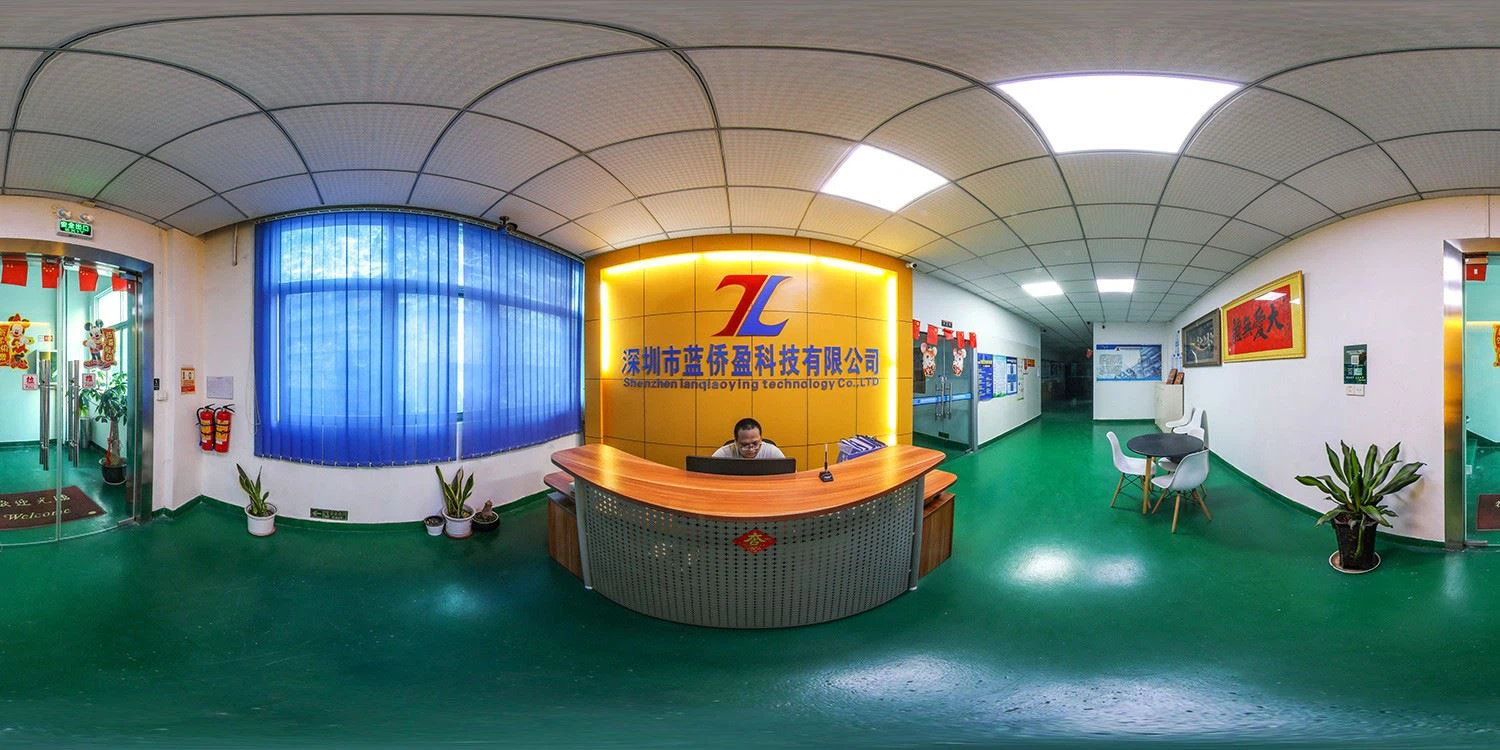
Founded in 2009, Shenzhen Lanqiaoying Technology Co., Ltd is an industry-leading manufacturer with registered funds 10 million RMB, specializing in the fields of precision hardware, copper nut, spring, kitchen ware, kitchen products, stainless steel products, and professional metal surface treatment. Lanqiaoying also continuously introduces foreign advanced precision equipment, with more than 30 imported automatic lathe, more than 70 full-automatic CNC spring machine, screw machine, hardware punching machine and other full-automatic production chain.
FAQ
Q: Ultimate FAQ Guide to Fastener
Before exploring the types and uses of fasteners, let's discuss a fasteners definition. A fastener is a term describing a wide range of tools such as screws, washers, nuts, and bolts. All these tools have a common objective of holding two or more objects mechanically together.
Q: What are common fasteners?
Q: What is the most common fastener?
Screws: Screws are versatile fasteners used to join two or more materials together.
Bolts: Bolts are threaded fasteners that typically require a nut to be used in conjunction with them.
Q: What are the three types of fasteners?
Q: What is the most common type of threaded fastener?
Q: What are special fasteners?
Q: What is the difference between a fastener and a bolt?
Q: What is a type of metal fastener?
Q: What does a stud fastener look like?
Q: What are the toughest fasteners?
Q: What are the two types of mechanical fasteners?
Q: What is a fastener with internal threads called?
Q: What is the most common fastener used in different types of garments?
Q: What are the three most common types of semi permanent fasteners?
Q: What is the hole a screw goes into called?
Q: Is a screw or nail a better fastener?
We're well-known as one of the leading fastener manufacturers and suppliers in China for our customized products and wholesale service. Please feel free to buy quality fastener made in China here from our factory.