


Stainless Steel Products
Why Choose Us?
We can better understand the customers' ideas according to the product size information, product materials, product quantity, or customers can provide pictures or drawings. Besides our existing molded products,our company also can produce polyurethane products according to the drawings or samples from our customers.
Now our product is widely use in communications, medical, electronics, digital, watches, automobiles and other high-end areas, and we have already cooperated with many famous brand such as BYD, Beijing Hyundai, TOYOTA, VIVO, SIEMENS, Midea, Apple...
Our technical team has 15 years' experience, specializing in the fields of precision hardware, copper nut, spring, kitchen ware, kitchen products, stainless steel products, and professional metal surface treatment, can provide professional product design to our customer.
Lanqiaoying technology passed ISO9001, TS16949. now we have a complete range of testing equipment, Such as, CCD full range detector, IM-6225 Japan image size measurer, projector, torque test machine, Japan tension test machine, salt spray test machine, life span tester, film thickness measurer, hardness tester, microscope to control product quality.
Stainless steel products are items or structures made of stainless steel, which is an alloy of iron, carbon, and other elements that resist corrosion and staining. Stainless steel products have various uses in different industries, including construction, automotive, aerospace, medical, and food processing.


Advantages of Stainless Steel Products
Stainless steel is a very hygienic material and doesn't support the growth of bacteria and other pathogens. Additionally, stainless steel is easy to maintain and clean. All you need to do is use an all-purpose cleaner and police it along the grain to give it a nice shine, essentially making it look brand new.
Long-lasting
Stainless steel won't scratch, bend, or break over time. On the contrary, as long as it's regularly cleaned and well maintained, it will offer a nice look and remain durable for years.
Visually appealing
There is no secret that stainless steel products look much nicer than their non-steel counterparts. This metal is bright, sleek, attractive, and provides a contemporary visual boost to any home or structure. Additionally, the neutral look of stainless steel can complement any home; whether it's a kitchen full of wooden cabinets or a more modern layout, stainless steel items will look great.
Impact, corrosion, fire, and heat resistance
One of the main reasons this metal is so popular is because of its strength. Stainless steel is an extremely powerful metal that can withstand all kinds of impacts that would otherwise lead to severe damage. This metal is tough and can withstand severe heat, temperatures far below freezing, and can resist against corrosion in alkaline solutions and chlorine-bearing environments, as well.
Versatile
There are various grades of steel and alloys that are great for a variety of uses. Alloy steels can be divided into four classes: tool and die steels, magnetic alloys, stainless and heat-resisting steels, and structural steels. All these steel alloys can be utilized for hundreds of stainless steel products.
Types of Stainless Steel Products

Stainless Steel Fruit Basket
Stainless steel fruit bowl and banana hanger noble and beautiful, good quality, durable. The fruit tray, fruit hook and base are welded together to ensure the stability of the product. The fruit bowl can hold 6 to 10 lb of fruit and vegetables, and the hook can hold 2 lb of bananas or grapes, Keep bananas or grapes from getting crushed and turning bad, and allow food to last longer.
Wine Rack
The free-standing feature of this wine rack allows for versatile placement on tables, worktops, or floor spaces. Once filled with your favorite bottles, it remains sturdy and easily accessible, ensuring a hassle-free wine experience. Its innovative geometric design not only pleases the eye but also maximizes efficiency by compactly fitting six wine bottles in a much smaller area compared to traditional designs.


Kitchen Rack
Lanejoy's instant pot egg steamer rack goes beyond being just a stainless steamer rack; it can be utilized for various cooking tasks such as baking, cooling, filtering oil or water, and even as a steamer or hot pot rack. Its multifunctionality sets it apart from other kitchen tools, making it an essential addition to any kitchen.
BBQ Accessories
The strength of stainless steel is much higher than that of traditional metals, which can guarantee its resistance to deformation and durability, and can be used for a long time. In addition, stainless steel is non-reflective and is not prone to harsh flashes, so it will not affect the comfort of outdoor activities.

Application of Stainless Steel Products
Stainless steel is used extensively in modern medical equipment due to its ease of sterilization and high corrosion resistance. Surgery and dental instruments, surgical tables, and larger equipment such as MRI scanners are all made from stainless steel material. Surgical implants such as replacement joints, pins, and plates are ideally made of stainless steel.

01
Aircrafts and Aerospace
Aircraft must be able to resist a wide range of climatic conditions, including extremes in temperature, precipitation, and elevation pressures. The qualities of stainless steel enable it to easily address all of these issues, making it the most essential material for aircraft and aerospace applications.
02
Building and Construction
Stainless steel is a fantastic construction material since it is both strong and flexible. Because of its corrosion resistance, it provides structures a superb modern aesthetic while still being easy to maintain.
03
High-pressure Applications
Stainless steel's strength makes it ideal for building, but it also makes it resistant to high pressure and temperatures. As a result, stainless steel is an excellent choice for high-pressure applications such as energy systems like power plants.
04
Food Industry
Stainless steel is advantageous in food and catering applications for many of the same reasons that it is advantageous in medical equipment. Stainless steel makes for fantastic, sharp knives and can endure high heat for cooking, in addition to being easy to clean.
How to Remove Rust from Stainless Steel Products?
Even with the proper cleaning and care, rust spots can occur over long periods of time. Follow the steps below to help restore your stainless steel products.
Determine the cause of corrosion. Whether it is due to mechanical abrasions, deposits, water, or chlorides/chemicals, it is necessary to determine what is causing the corrosion so you can correct your care and cleaning to avoid it in the future.
Use a scratchless pad, to remove the rust off the product. Do not apply any moisture or chemicals to the pad - just use the pad on the metal. Rub gently with the grain of the stainless steel. Pro Tip: Test out the pad in a small, hidden spot of stainless steel until you get the "feel" for the amount of pressure to apply.
Apply a cleaning paste or powder, with a soft cloth or microfiber towel to the affected area. Dampen a separate area of the towel and remove any excess paste or powder.
Be sure to frequently use a stainless steel safe polish to help remove any corrosive elements on the stainless steel and allow the passive layer to be restored.
How to Remove Scratches from Stainless Steel Products?
While stainless steel is extremely durable, it isn't scratch-proof. Thankfully, fine, minor scratches are easy to buff out on brushed stainless steel appliances with products you probably already own!
- Start by cleaning the surface with a microfiber cloth and stainless steel polish to wipe away any dirt and debris.
- Use a non-abrasive cleaner and a soft sponge or scouring pad to buff out the scratch. For deeper scratches, use a coarser grit pad to remove the scratch and then switch to a smoother grit pad to blend in the affected area with the rest of the finish. Be sure to wipe only in the direction of the grain to avoid further damaging the surface. If using a powder, mix with a little water to form a paste before using.
- After the scratches and unwanted marks are removed, clean and polish the surface with stainless steel products polishing cleaner.

How to Clean Stainless Steel Products?
Soft cloths, microfiber, sponges, or plastic scouring pads are best. Avoid using anything that might scratch the surface.
Minimize the Impact of Hard Water
If you have hard water, having a water softening system is probably the best option. However, if you have hard water and aren't able to treat it throughout your entire facility, it's a good idea to not let water stand on your stainless steel products surfaces for extended periods.
Use the Right Cleaning Chemicals
The best cleaner for stainless steel will contain alkaline, alkaline chlorinated, or non-chloride chemicals. Noble Chemical offers a variety of stainless steel cleaners and polishes specifically designed for stainless steel.
Clean with the Polish Lines
Stainless steel usually has a "grain" that you can see running in one direction or another. If you can see the lines, it's always best to scrub or wipe parallel to them, especially if you use something more abrasive than a cloth or wiper.
Know How to Sanitize Stainless Steel and Disinfect
Just remove any large food particles from the surface to be sanitized, then rinse these areas thoroughly with water, and spray the chemical on the affected surface. Wet the area for several minutes and allow it to drain and air dry. Do not rinse or wipe the sanitizer off of the cleaned surface.
The Manufacturing Process of Stainless Steel Products
Melting and Casting
The steel and other alloying metals that get used are loaded into an electric arc furnace. This is the start of the process. Then, the metals are heated above the melting point, particularly over temperatures of twenty-eight hundred degrees. Since it takes time to break down—depending on what temperature, precision, and volume quantities are required—the entire melting process takes eight to twelve hours. At this stage, steel technicians often check the chemical composition and bath temperature.
Forming
Some cast steel pieces are made from hot rolling—the bloom, billet, or slab is heated up and taken through large rollers that stretch the material into long, thin forms of sheet metal. The hot rolling process goes above the recrystallization temperature of the steel. The slabs typically form into plates, sheets, or strips, while blooms and billets flower into wire and bar-forms. Another form of rolling is cold rolling. It creates precise dimensions and makes surfaces shine when required. This process happens below the recrystallization temperature of the steel. When going through cold rolling, the procedure has a small wheel attached followed by a round of supporting wheels that help create smooth, vast sheets of stainless steel to help close tolerances.
Heat Treatment
While stainless steel rolls through, a heat treatment helps strengthen the material and recrystallizes deformities made in the substance. During the heating process, most stainless steel pieces get heated by an annealing treatment, which shifts the physical and, at times, chemical assets of stainless steel. The annealing process increases ductility and decreases hardness to help it become workable. The heating process also consists of relieving internal stresses on the metal and softens the surface.
Descaling
In this process, rolled stainless steel pieces receive a layer of oxidized mill scales. A brittle layered material made from iron oxides with wustite is considered a waste material. When in the process of descaling, the mill scale washes away to reveal a gleaming surface by going through chemical treatments such as electro-cleaning and pickling. When sorted through pickling, the stainless steel goes through a bath cycle filled with nitric-hydrofluoric acid. The electro-cleaning uses cathode and phosphoric acid in the descaling process of the stainless steel manufacturing process. Once the stainless steel has shed its skin in the descaling process, it's then finished with a high-pressure water rinse that gives the metal a bright finish.
Work Hardening
This process consists of strengthening the material by taking it through deformation. While in the deforming substage, the steel hardens rapidly and is given the overall rate determined by the specific grade of material. Depending on your grade, if you happen to have austenitic steels, they'll harden quicker than other types.
Cutting or Machining
When stainless steel is cut, it gets cut to the required size and shape. When steel's cut, the usual process is performed through cutting with a circular knife-attached sheer, sometimes sawed with high-speed blades, and even blanked with punches. The other methods for cutting or machining also include open flame, plasma, and waterjet cutting.
Very high strengths can be achieved with martensitic stainless steels, like grade 440C; and precipitation hardened stainless steels, like grades 17-4 PH and 15-5 PH. Austenitic stainless steels, such as grade 316, can provide high strengths as well, though not as high as the martensitic grades. Austenitic stainless steels also have more nickel than other stainless steels, so a grade like 316 will have greater toughness and ductility than ferritic and martensitic stainless steels. Duplex stainless steels can provide ferritic stainless steel properties while still maintaining a ductility and a toughness close to austenitic stainless steels.

The Considerations for Buying Stainless Steel Products
Welding requirements
Not all grades of stainless steel are weldable. Depending upon certain grades, welding can lead to problems such as intergranular corrosion, hot cracking and stress corrosion cracking. In case your products needs welding, you need to choose stainless steel grade that is weldable. Austenitic stainless steel grades such as 304L, 347 ce be used for welding due to lower carbon levels. Ferritic stainless steels such as grade 430 or grade 439 are also readily weldable. Martensitic stainless are generally not suitable for welding. Extra care needs to be taken when welding stainless steel to ensure that the mechanical properties of the metal are not compromised during the welding process.
Corrosion resistance
Though stainless is known to have corrosion resistance, various grades of stainless steel products have varying levels of corrosion resistance. Austenitic stainless steel like Grade 304 and 316 is the most sought after for corrosion resistance because of high amounts of chromium and molybdenum, respectively. Ferritic stainless steels and martensitic are generally more affordable than austenitic stainless steel because they have less nickel and sometimes less chromium than austenitic stainless steels, which can result in a loss of corrosion resistance. They are suitable for applications that involve the indoor use of stainless steel as this limits exposure to weather and other corrosive elements.
Need of machining
Most grades of stainless steel products can be machined, however, it is very susceptible to hardening. The machining process must be optimized to work at a rate that helps alleviate this issue, and the tools used for machining must also be kept in good working condition. Similar to carbon steels, sulfur can be added to increase machinability; grade 303 is an example of this. It is very similar to grade 304 except that sulfur has been added to it for machining purposes. Grade 416 is example of a ferritic stainless steel with added sulfur.
Heat treatment
If the stainless steel products is going to be subjected to heat it imperative to know how the product properties will be affected. Grade 440C and 17-4 PH, are heat treatable stainless steels.
Strength
The quality of stainless steel products depends on various factors and one of the most important factors to consider while selecting the stainless steel is the strength. The strength varies from varies between different grades. Martensitic stainless steels, like grade 440C and precipitation hardened stainless steels, like grades 17-4 PH and 15-5 PH have the best strength. Austenitic stainless steels comes second on the scale of strength. Duplex stainless steels can provide ferritic stainless steel properties while still maintaining a ductility and a toughness close to austenitic stainless steels.
Cost effectiveness
In order to choose a good stainless steel grade all the above considerations are important but the most important one is cost effectiveness. Your industry needs to have stainless steel applications that are profitable, match your intended environment and have high performing for a long term. Though most grades of stainless steel require negligible maintenance, you still need to account it depending upon the harsh, cold or corrosive environment it is expected to work in.
How to Care for and Maintain Stainless Steel Products?
Cleaning
The first step in caring for stainless steel products is to keep them clean. Stainless steel is resistant to stain and corrosion but it can still become dirty and discolored over time. Avoid using harsh chemicals or abrasive cleaning tools as they can scratch or damage the surface of the stainless steel.
Storage
Products made of stainless steel should be kept clean and dry when not in use. Store stainless steel products away from moisture and humidity which can lead to corrosion and discoloration. Consider using a protective coating or wrapping stainless steel products in a fresh, dry cloth if storing them for an extended period of time to avoid dust and moisture settling on the surface.
Maintenance
In addition to regular cleaning and storage, stainless steel products may require maintenance. If the stainless steel becomes scratched or discolored, it may be necessary to use a specialized cleaner/polish to restore its appearance.
Certifications
We have passed and implemented the ISO9001:2015 Quality Management System and ISO14001:2015 Environmental Management System.

Our Factory
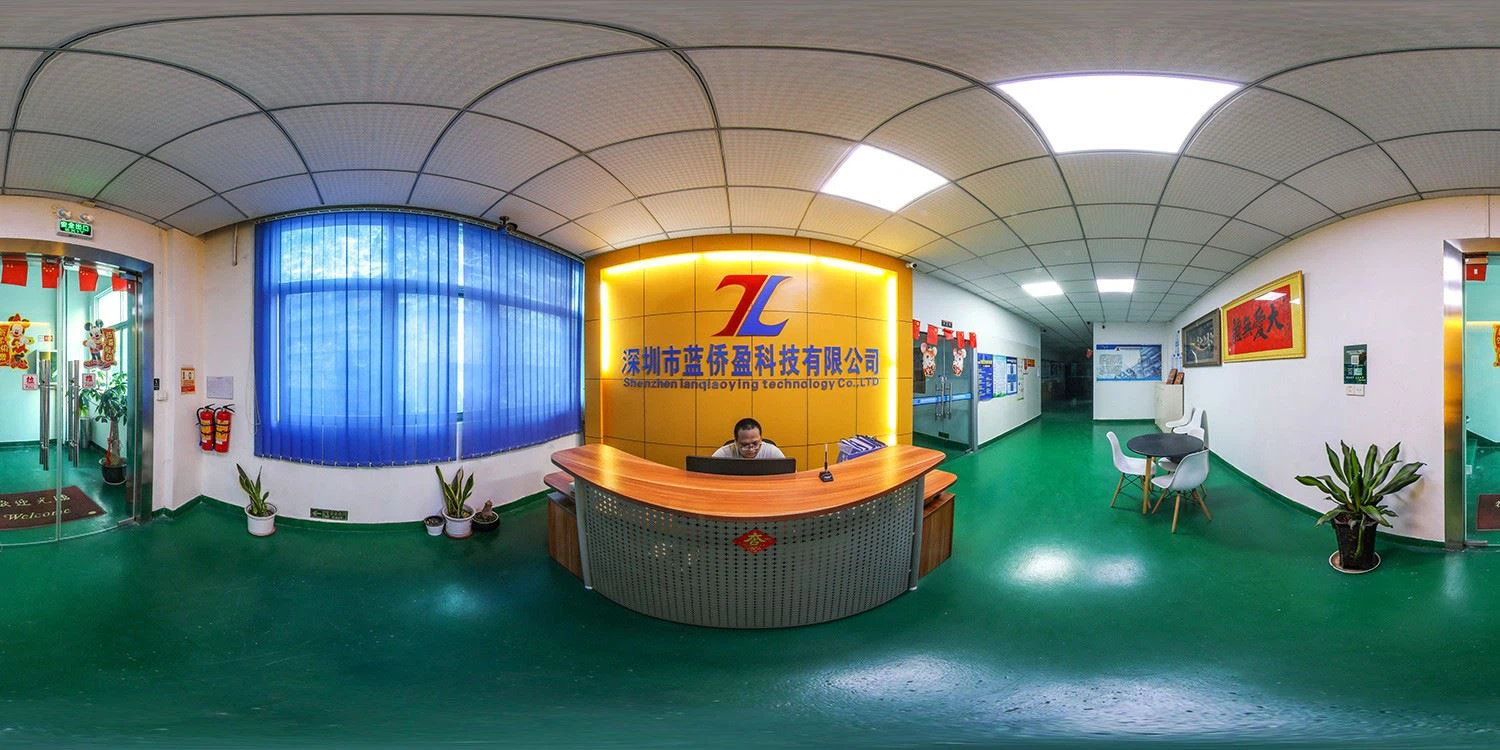
Founded in 2009, Shenzhen Lanqiaoying Technology Co., Ltd is an industry-leading manufacturer with registered funds 10 million RMB, specializing in the fields of precision hardware, copper nut, spring, kitchen ware, kitchen products, stainless steel products, and professional metal surface treatment. Lanqiaoying also continuously introduces foreign advanced precision equipment, with more than 30 imported automatic lathe, more than 70 full-automatic CNC spring machine, screw machine, hardware punching machine and other full-automatic production chain.
FAQ
Q: What products are made from stainless steel?
Q: What are 3 common uses of stainless steel?
Q: What materials are stainless steel?
Q: What is stainless steel best known for?
Q: What are the 4 types of stainless steel?
Q: What is most commonly found in stainless steel?
Q: Does stainless steel rust?
Q: What are some examples of stainless steel in everyday life?
Q: What 10 other metal is in stainless steel?
Q: Who is the largest consumer of stainless steel?
Q: What are the 3 grades of stainless steel?
Q: Is stainless steel expensive?
Q: Which is better 304 or 316 stainless steel?
Q: Which stainless steel is best?
Q: What is the most expensive type of steel?
Q: Is 304 or 409 stainless steel better?
Q: Can you bend stainless steel?
Q: Does stainless steel stick to a magnet?
Q: Why doesn't stainless steel rust?
Q: What is another name for stainless steel?
We're well-known as one of the leading stainless steel products manufacturers and suppliers in China for our customized products and wholesale service. Please feel free to buy quality stainless steel products made in China here from our factory.