


Screws
Why Choose Us?
Reliable Product Quality
Lanqiaoying technology passed ISO9001, TS16949. now we have a complete range of testing equipment, Such as, CCD full range detector, IM-6225 Japan image size measurer, projector, torque test machine, Japan tension test machine, salt spray test machine, life span tester, film thickness measurer, hardness tester, microscope to control product quality.
Customized Service
We can better understand the customers' ideas according to the product size information, product materials, product quantity, or customers can provide pictures or drawings. Besides our existing molded products,our company also can produce polyurethane products according to the drawings or samples from our customers.
Wide Range of Applications
Now our product is widely use in communications, medical, electronics, digital, watches, automobiles and other high-end areas, and we have already cooperated with many famous brand such as BYD, Beijing Hyundai, TOYOTA, VIVO, SIEMENS, Midea, Apple...
Rich Experience
Our technical team has 15 years' experience, specializing in the fields of precision hardware, copper nut, spring, kitchen ware, kitchen products, stainless steel products, and professional metal surface treatment, can provide professional product design to our customer.
What is Screws?
Screws are fasteners that are used to join two or more objects together by creating a threaded spiral around a central shaft. They are typically made of metal and come in a variety of shapes and sizes depending on their intended use. Screws can be used for a wide range of applications, from simple woodworking to heavy-duty industrial construction. They work by winding themselves into the material being fastened, creating a secure and permanent connection. Screws are one of the most common types of fasteners used in construction and manufacturing.


We're well-known as one of the leading screws manufacturers and suppliers in China for our customized products and wholesale service. Please feel free To buy quality screws made in China here from our factory.
Advantages of Screws
A Mechanical Edge
When you choose screws, you get a mechanical advantage in the process. Driving in a screw uses less energy when compared to hammering in a nail into the same material. So for those using hand tools, then the project instantaneously easier when screws are used. And the same goes for the use of power tools, which require less force and place less strain on the tool's motor.
Extra Strength & Long-Lasting Hold
Screws are very strong and are built to last. This is a stark contrast to nails, which may come loose over time. This happens when the materials they connect with begin to expand and shrink over time. Screws are built to resist this problem. Their hold is longer-lasting and stronger. And since screws are so strong, there is less of a worry about the durability and hold. So it gives the material more of a piece of mind when done.
Rust Resistant
Since screws offer a strong and tight bond with their adjoining material, this makes them less susceptible to rusting. The tight hold prevents moisture and contaminant from coming into contact with the screw's shaft, thus preserving it for a long-lasting hold. So, even if the head of the screw begins to rust, the shaft will remain intact and hold due to this preservation. This advantage makes screws a much better choice than nails for a long-term hold.
Many Different Sizes & Shapes
There are many different sizes and shapes for screws and they come with varying thread patterns. So you can get one specifically designed for use on wood, drywall, sheet metal, concrete, or more. When you use the proper screw type, it improves the long-term use of a screw. Screws also utilize different types of heads, which makes them suitable for use with different types of tools. And thus, easier to complete a job, since you have more tools at your disposal to use.
Easy to Remove
When it comes to removal, there is no fastener that is easier than screws. Of course, you can remove nails and staples. However, you likely need a special tool to get them out. With a screw, they back out of their slots with the same tool that drove them in. So you don't need to go looking for a different tool and can save that time working.
Reuse Screws
Due to the strength and longevity of screws, you can reuse them more when compared to nails. They seldom bend during the removal, so they can be reused for another application. You can also reinsert them into the same hole without sacrificing strength.
Types of Screws
Type II hex nuts are thicker and are often used where mounting and dismounting are often required. The height of the type II nut is higher than that of the type 1 nut, and its type size should conform to GB/T6175. There are two purposes for adding a type II nut: One is to obtain a relatively inexpensive nut that does not require heat treatment by increasing the height of the nut.

01
Electronic Product Screws
Screws have an important task in the industry. As long as there is industry on the earth, the function of the screw is always important. Screws are the common inventions in people's production and life for thousands of years. According to the application field, it is the first invention of human beings.
02
Sports Equipment Screws
Specializing in the production of electronic appliances, machinery, furniture and other industries required by customized fasteners. At the same time the national standard (GB), Japanese standard (JIS), American standard (ANSI), German standard (DIN), British standard(BS) and other fastener products are available.
03
Household Appliance Screws
Place of Origin:Guangdong, China (Mainland). Brand Name:Lanejoy. Model Number:pg0084. Standard:GB. Size:Customers' Request. Material:Stainless Steel
04
Medical Instrument Screw
As the current density increases, the tin content in the coating increases, and the crystals are fine and bright. However, when the current density exceeds a certain limit, a serious lack of metal ions near the cathode occurs at the cathode tip and convexity. The place will produce dendritic metal plating.
Material of Screws

Steel Fasteners
Composition: Carbon steel, an iron and carbon alloy, is commonly used to make steel screws. The screw's strength and hardness are influenced by its carbon content.
Benefits: Steel screws are renowned for their sturdiness and strength. They can be used for various tasks, such as construction and woodworking.
Use Cases: Steel screws work great indoors for tasks where rust isn't a significant issue. Additionally, they find employment in machinery and automotive applications.

Screws Made of Stainless Steel
Composition: An iron alloy with at least 10.5% chromium is used to make stainless steel screws. This chromium concentration provides excellent corrosion resistance.
Benefits: Stainless steel screws are perfect for outdoor, marine, and coastal applications because of their exceptional resistance to rust and corrosion. Over time, they keep their appearance.
Use Cases: External construction, marine projects, and any application where moisture exposure is anticipated are among the many uses for stainless steel screws.

Brass Screws
The composition of brass screws is mainly made up of copper and zinc in different proportions. The alloy becomes stronger when zinc is added.
Benefits: Brass screws can be used indoors or outdoors due to their corrosion resistance. Their golden appearance is quite appealing.
Use Cases: In situations where the screws will be visible, as well as for decorative and ornamental projects, brass screws are frequently selected.

Titanium Screws
Composition: Aluminum alloys, which can have different compositions to produce various qualities, are used to make aluminum screws.
Benefits: Aluminum screws resist corrosion and are lightweight. They are frequently employed in situations where losing weight is essential.
Applications: Aluminum screws are used in the electronics, automotive, and aerospace industries and in circumstances where weight is an issue.

Copper Screws
Copper is the primary component of copper screws due to its exceptional electrical conductivity and resistance to corrosion.
Benefits: Since conductivity is crucial in plumbing and electrical applications, copper screws are frequently used. They provide strong resistance to corrosion.
Use Cases: Electrical equipment, wiring, and plumbing systems frequently contain copper screws.
Application of Screws
- Construction: Screws are commonly used in construction to fasten wood, metal, and other materials together. They are used in framing, roofing, and other applications where a strong, secure hold is needed.
- Woodworking: Screws are commonly used in woodworking to fasten two or more pieces of wood together. They can be used in furniture, cabinets, and other woodworking projects.
- Automotive: Screws are used in the automotive industry to secure parts and components together. They are used in engines, transmissions, and other parts of a vehicle.
- Electronics: Screws are commonly used in the manufacturing of electronics to secure components to circuit boards. They are also used for assembly of electronic devices such as laptops, smartphones, and desktop computers.
- Medical: Screws are used in medical applications such as orthopedic surgery to attach plates and screws to bones that have been fractured or broken.
- Aerospace: Screws are used in the aerospace industry to secure components together and are critical to the safe operation of airplanes, rockets, and other spacecraft.
- Household: Screws are used in a variety of household applications, such as hanging pictures, installing shelving, and assembling furniture.
Quick Tips for Driving Screws
Wear Safety Gear
The potential for eye injury is just as high at home as it is in the workplace. Eye injuries often happen during do-it-yourself projects when screws, nails, and hand tools are involved. Always wear safety gear, even when doing something as simple as screwing a fixing into a wall.
Pilot Hole, Clearance Hole, And Countersink
When working with wood, especially near the ends, it is very important to drill pilot holes and use a screw-shank clearance hole. The pilot hole is a small hole bored into the bottom board to provide a path for the screw to enter. Then pre-drill a hole through the top board that is slightly larger than the screw shank.
Stainless Steel in or near Saltwater Environments
Stainless steel contains chromium which, when reacting to oxygen, creates a thin passive layer on the stainless steel. This layer resists corrosion, but in the presence of salt, the layer begins to break down.
Fastener Lubricant
When the threads of the fastener and the nut stick together, it is called galling. To prevent galling, apply a good lubricant on the fastener before you use it. The best lubricants have a graphite base. It's a simple trick, but it can make all the world of difference, as you don't want the fastener to become adhered to the nut. Choose one of the leading graphite-based lubricants to help prevent this problem.
Always Use the Right Screwdriver
Households often have several sizes of different screwdrivers sitting around. You need to make sure that the screwdriver, no matter the type, fits snugly in the screw head without wobbling and without slipping out easily. You don't want to damage the screw head with an ill-fitting screwdriver.
Galvanic Corrosion
Avoid using stainless steel and aluminium together. Galvanic corrosion occurs when electrons leave the aluminium and transfer it into the stainless steel in rainwater or humidity. This process weakens the aluminium, causing it to decay at a faster rate. This is also true in or near a saltwater environment.
Don't Mix Fine and Coarse Threads
Each type of thread has its own purpose. Using fine threads in a coarse thread hole won't follow the track because the threading is shallower than the coarse threading. This could result in a bad fit or the screw itself breaking off. Either of these eventualities is not optimal, so make sure you don't mix fine and coarse threads. Otherwise, you may face these results.
Make Your Own Magnetic Screwdriver
If you have a rare earth magnet or any other large magnet, you can even make your own magnetic screwdriver. Just swipe the end of your screwdriver back and forth on the magnet a few times. The magnetization lasts for months. And when it weakens, you can just do the same process again.
Galvanised Fasteners
Galvanising is coating the fastener in a layer of zinc. This gives the fastener better resistance to corrosion. This means, however, that you need galvanized nuts as well, as the fasteners are incompatible with normal ones. Always use galvanised nuts and fasteners together, to get the best results. See our specialty fasteners for more ideas.
The most common types of fasteners are screws and bolts. While screws and bolts have certain similarities in appearance, they have a few easy-to-identify differences.
One of the main differences between the two is that a screw fastens directly into the product's surface while a bolt requires a nut and washer on the other side of the material to fasten components. So in simplest terms, a screw is "screwed into" something, while a bolt "bolts things" together.
Another major difference between the two is the tools required to install the fasteners. While screws may have any of a number of different head types such as slotted, Philips, or square recess heads, as long as you have the right screwdriver or drill bit, you typically won't need any additional tools to insert the screw.
However, when using nuts and bolts to fasten components together, you will usually need a wrench or driver to tighten the bolt as well as a second wrench to apply torque to the nut. In some cases, a washer will also be used to evenly distribute the load of the fastener.

How to Remove a Stripped Screw?
To remove a stripped screw with duct tape, tear off a section of duct tape about 2 inches long and apply the tape over the screw head, with the adhesive side facing the screw. Place the tip of the screwdriver over the screw head, press hard, and turn counter-clockwise.
Using a screw extractor kit is the best way to remove a stripped screw if other methods aren't working. A screw extractor kit has two special drill bits: one with forward threads and another with reverse threads. Use the first drill bit to drill a hole in the screw.
Add a powder or liquid abrasive to the screw head. This adds friction to the screw for increased grip when turning the screw. Drop a pinch of non-chlorinated cleaning powder or fine sand to the screw. Apply the tip of the screwdriver or driver bit to the screw and turn the screw out.
Cut a slot into the screw head with an electric tool. The tip of a flat-head screwdriver can be inserted into the groove to turn the screw.
Use a rotary cutting tool or a multi-tool fitted with a metal blade. Turn on the tool. Wearing safety glasses, hold the tool parallel with the material and cut a shallow groove in the screw head.
Tap a manual screwdriver into the screw head with a light hammer. This seats the tip of the screwdriver slightly deeper into the screw for better grip. Use a manual screwdriver that is properly sized for the screw. Tap the back of the screwdriver handle with a hammer three or four times.
Place a small section of steel wool and turn the stripped screw through it. The steel wool improves friction on the screw head. Tear off a coin-sized piece of steel wool. Flatten it, then place it on top of the screw head. Insert the tip of the screw through the steel wool and press down while turning counter-clockwise.
Use a manual screwdriver to remove the stripped screw instead of using an electric drill and driver bit. A manual screwdriver gives you more torque and control than an electric drill. It's easier to lean into the screw and add pressure without the risk of further stripping the screw.
Change out the properly sized driver bit or screwdriver to one that is slightly larger in diameter. A larger bit or screwdriver tip fills the void on the stripped screw head.
Put a wide rubber band between the screwdriver tip and the stripped screw head. The rubber band adds grip and fills in gaps on the screw head. For large screws, double up the rubber band. For smaller screws, use one layer.
Bypass the stripped screw head and grip the screw with a pair of locking pliers. Turn the adjustment screw on the pliers, then clamp down on the screw either from the top or the sides. Turn the screw counter-clockwise until it releases from the material.
Remove a stripped Phillips head screw with a manual flathead screwdriver. Angle the blade into the screw head. Force the blade down hard. After about 1/4-inch of the screw has been exposed, clamp locking pliers to the sides of the screw head. Turn the screw the rest of the way out.
How to Choose the Right Screws for Your Project?
Choose a Size
Select the right weight for the screw and the width of the material to be inserted.
Choose a Drive Type
As you learned above, screws come in different drive styles, including Phillips head, flathead, torque, and square. For example, torque and square head will make it easier for the bit to stay in place and help prevent tripping and slipping.
Find the Correct Length
When selecting a screw length, choose a length based on the depth of the material to be inserted. When measuring the screw, you should measure from below the screw head to the point. Again, you should consider the weight of the screw.
Certifications
We have passed and implemented the ISO9001:2015 Quality Management System and ISO14001:2015 Environmental Management System.

Our Factory
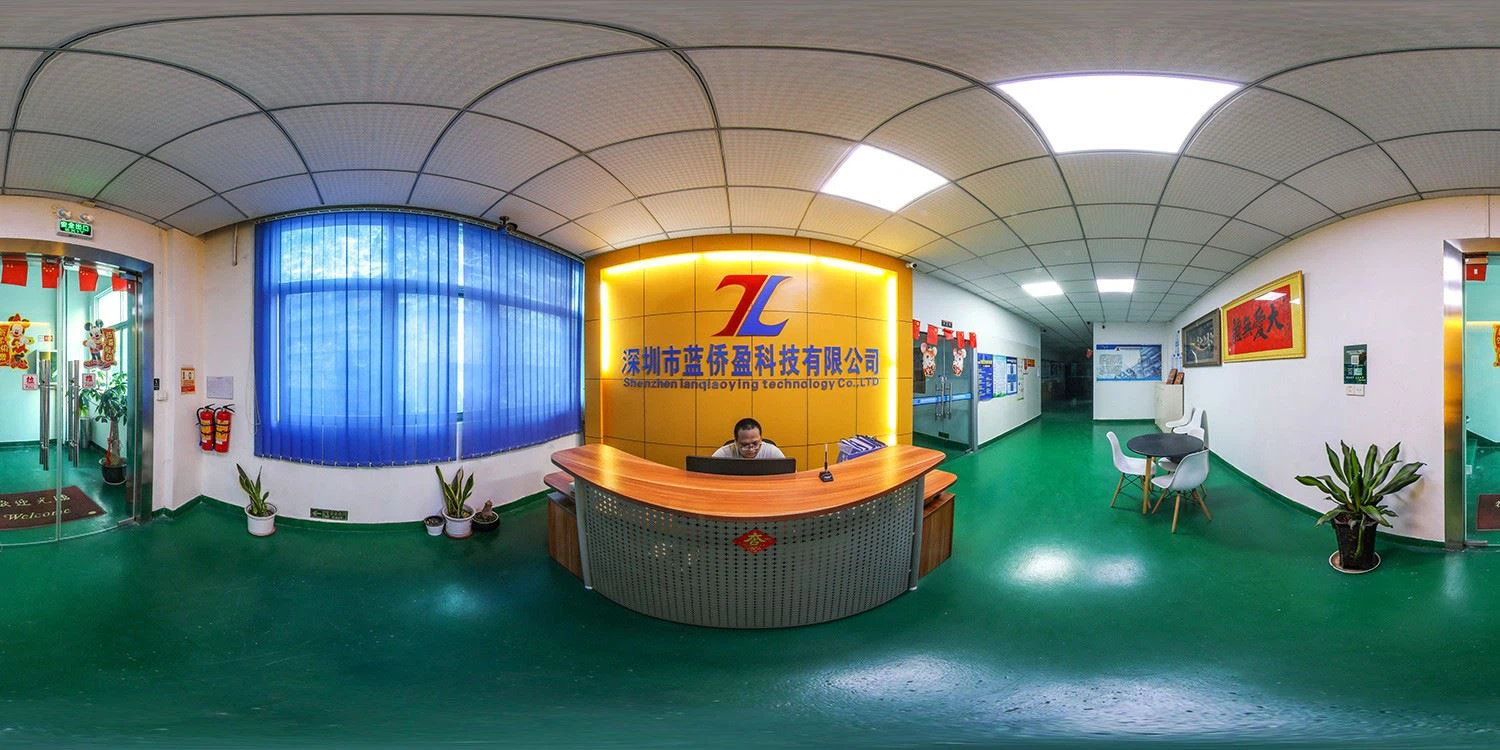
Founded in 2009, Shenzhen Lanqiaoying Technology Co., Ltd is an industry-leading manufacturer with registered funds 10 million RMB, specializing in the fields of precision hardware, copper nut, spring, kitchen ware, kitchen products, stainless steel products, and professional metal surface treatment. Lanqiaoying also continuously introduces foreign advanced precision equipment, with more than 30 imported automatic lathe, more than 70 full-automatic CNC spring machine, screw machine, hardware punching machine and other full-automatic production chain.
FAQ
Q: What is a screw used for?
Q: What are screws made of?
Q: How are screws so strong?
Q: What do screws go into?
Q: What type of screw is strongest?
Q: Are screws rust proof?
Q: Why are screws so important?
Q: Is screw metal or not?
Q: What screw is best for metal?
Q: Which screw has the strongest head type?
Q: What are screws without point called?
Q: What is a screw for kids?
Q: What are Class 3 screws?
Q: What does a screw look like?
Q: What keeps a screw tight?
Q: Why do screws get tight?
Q: Do the screws go into the bone?
Q: What is a screw hole called?
Q: How much weight can a screw hold?
Q: What screw holds the best in wood?
We're well-known as one of the leading screws manufacturers and suppliers in China for our customized products and wholesale service. Please feel free to buy quality screws made in China here from our factory.