

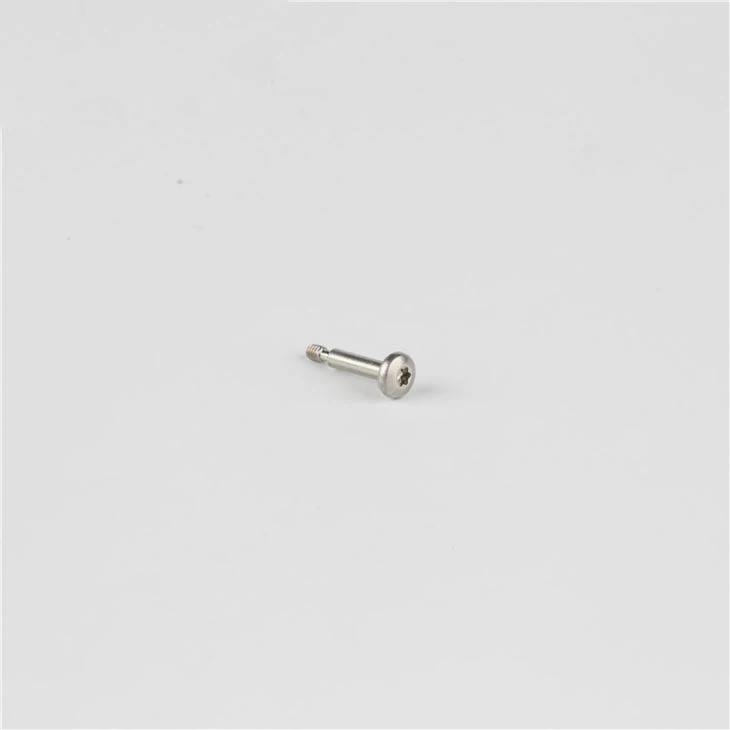
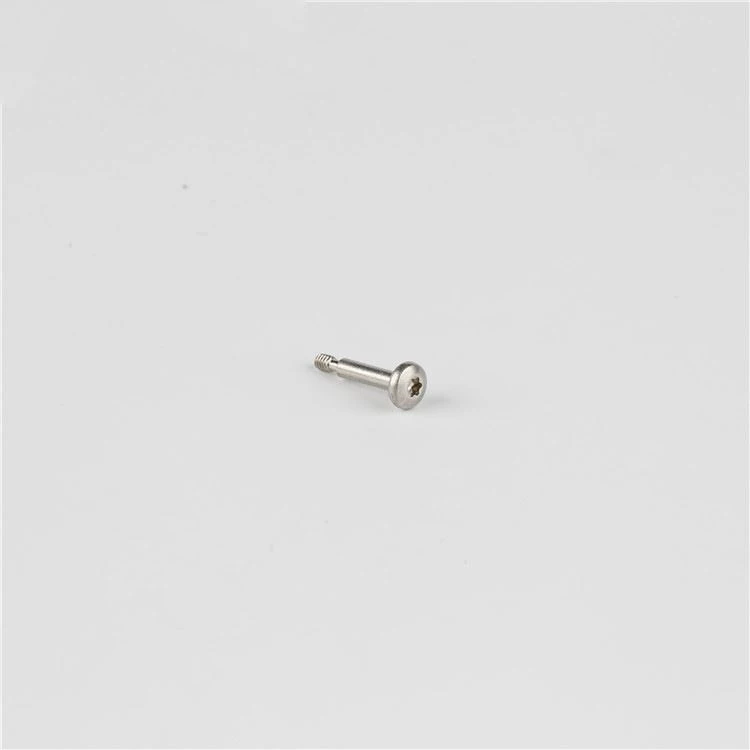
Grip precision fasteners
Quick Details
Place of Origin:Guangdong, China (Mainland), Guangdong, China (Mainland)
Brand Name:Lanejoy, Lanejoy
Model Number:PG18
Standard:GB
Material:Carbon Steel
Surface treatment:Zinc Plated Polished
Certificate:ISO9001:2015
Color:Zinc White
Size:Customized
Price Terms:FOB,CIF,CRF,EXW and others
Delivery Time:Within 20 workdays after receive payment
Model:Pg18
Packaging & Delivery
Packaging Details
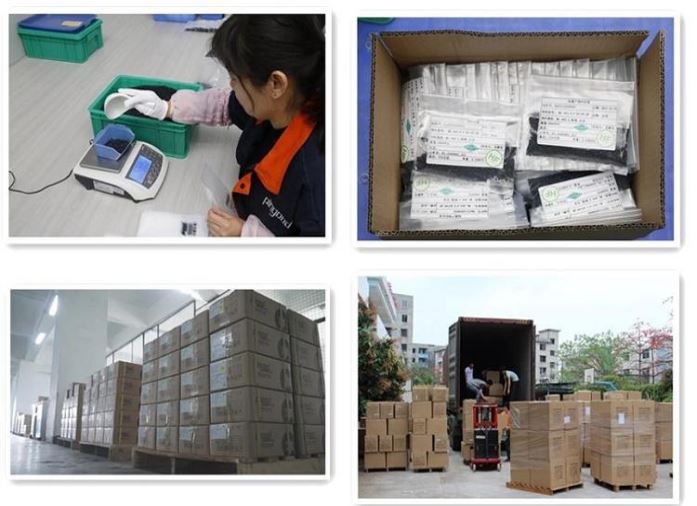
opp bag/carton
Delivery Time
7 days
Products Show
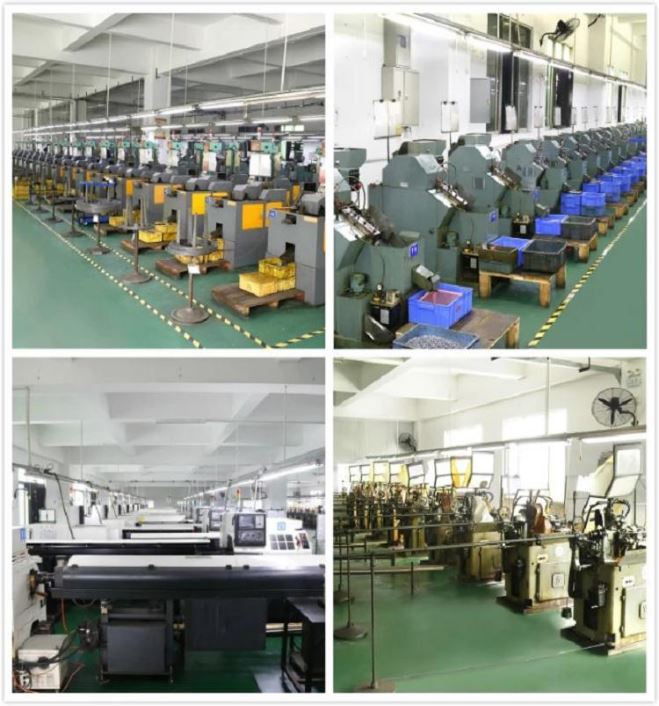
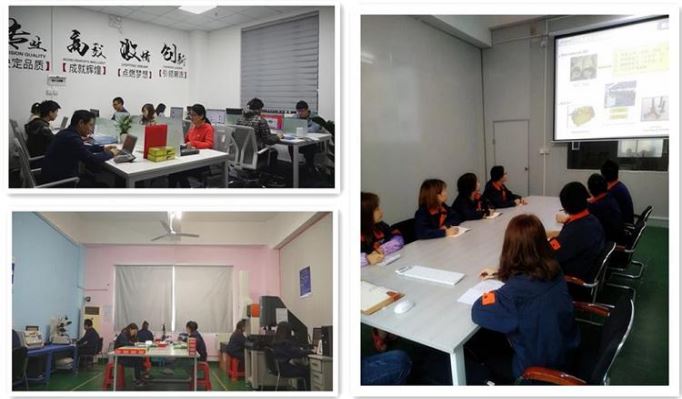
Factory and Our Team

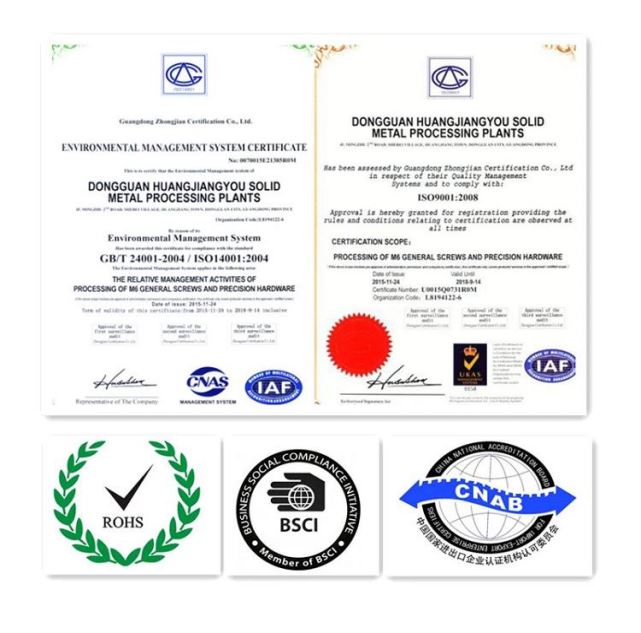
Our Certificates
Production Process

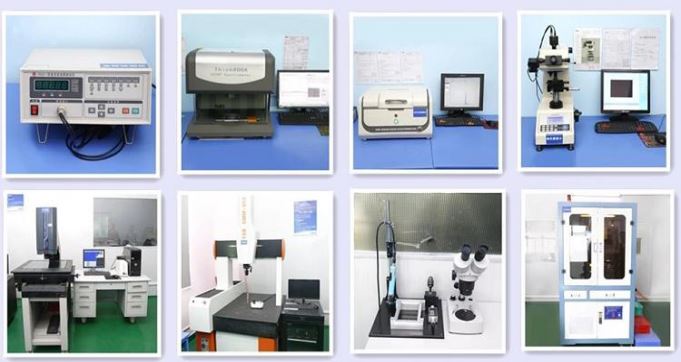
Test Equipment
Cooperation Partner

Trade Show
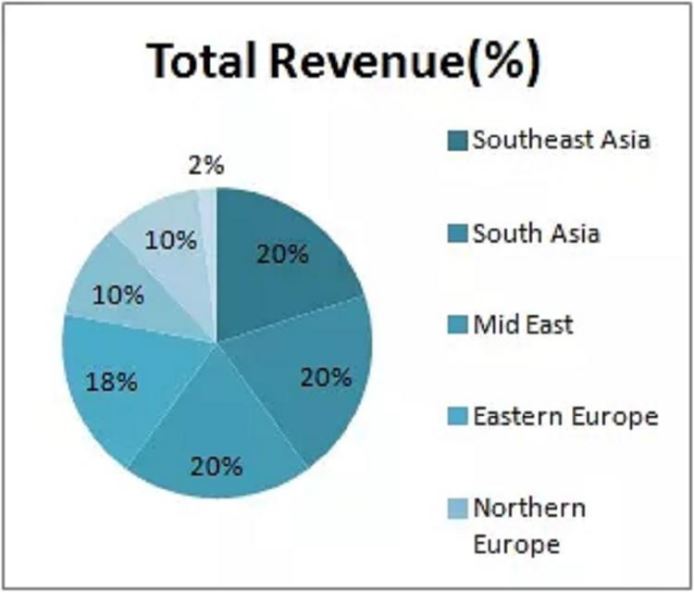
Main Markets | Total Revenue(%) |
Southeast Asia | 20% |
South Asia | 20% |
Mid East | 20% |
Eastern Europe | 18% |
Northern Europe | 10% |
North America | 10% |
Africa | 2% |
Packaging & Shipping

The heat treatment of fasteners, in addition to the general quality inspection and control, there are some special quality inspection and control.
First, decarbonization and carburizing
In the process of mass production of heat treatment, the metallographic method is also good, micro-hardness method is also good, can only be regular sampling.
Because of its long inspection time, the cost is high. In order to timely determine the carbon control of the furnace, preliminary determinations of decarburization and carburization can be made using spark detection and Rockwell hardness testing. Spark detection is to quench the fire parts, in the grinder from the table and gently grinding sparks to determine the surface and the heart of the carbon is the same. Of course, this requires the operator to have skilled skills and spark identification capabilities. Rockwell hardness testing is performed on one side of a hex bolt. First, a hexagonal plane of the quenched part was lightly polished with sandpaper to measure the first Rockwell hardness. Then grind this surface to about 0.5 mm on the grinder and measure the Rockwell hardness again. If the two hardness values are basically the same, it means neither decarburization nor carburization. If the previous hardness is lower than the last hardness, surface decarburization is indicated. When the previous hardness is higher than the last time, surface carburization is explained. Under normal circumstances, when the hardness difference is less than 5HRC, the decarburization or carburizing of the part is basically within the acceptable range when examined by the metallographic method or the microhardness method.