


Bolts
Why Choose Us?
Reliable Product Quality
Lanqiaoying technology passed ISO9001, TS16949. now we have a complete range of testing equipment, Such as, CCD full range detector, IM-6225 Japan image size measurer, projector, torque test machine, Japan tension test machine, salt spray test machine, life span tester, film thickness measurer, hardness tester, microscope to control product quality.
Customized Service
We can better understand the customers' ideas according to the product size information, product materials, product quantity, or customers can provide pictures or drawings. Besides our existing molded products,our company also can produce polyurethane products according to the drawings or samples from our customers.
Rich Experience
Our technical team has 15 years' experience, specializing in the fields of precision hardware, copper nut, spring, kitchen ware, kitchen products, stainless steel products, and professional metal surface treatment, can provide professional product design to our customer.
Wide Range of Applications
Now our product is widely use in communications, medical, electronics, digital, watches, automobiles and other high-end areas, and we have already cooperated with many famous brand such as BYD, Beijing Hyundai, TOYOTA, VIVO, SIEMENS, Midea, Apple...
What is Bolts?
Mechanically devised fasteners with a part of them threaded are called bolts. The structure of a bolt comprises a head with different geometrical shapes, a shaft with a part of it threaded, and a nut, which is screwed onto the shaft. Bolts are confused with screws due to their resemblance but bolts are different from screws in many aspects. Bolts are used to hold two objects together.


Bolts are applied to all areas of life, buildings, cars, bridges, and our factory can customize bolts
Advantages of Bolts
Stronger Joints
One of the primary advantages of using bolts is that they create stronger joints than other types of fasteners. This is because bolts are designed to be tightened to a specific torque, which creates a more secure joint. Additionally, bolts are less likely to loosen over time, which can often be an issue with other types of fasteners.
Increased Safety
Another advantage of using bolts is that they can help to increase safety. This is because bolts are less likely to fail than other types of fasteners, which can often come loose over time. Additionally, bolts are less likely to cause damage to the surrounding area if they do fail, as they will simply snap instead of shatter.
Easier to Install
Bolts are also generally easier to install than other types of fasteners. This is because they do not require any special tools or equipment for installation. Additionally, bolts can be installed quickly and easily, even by those with limited experience.
More Aesthetically Pleasing
Bolts are also more aesthetically pleasing than other types of fasteners. This is because they are available in a variety of finishes, such as zinc-plated or stainless steel. Additionally, bolts can be color coded to match the surrounding area, which can add a touch of style to any project.
Reusable
Another advantage of using bolts is that they are reusable. This means that they can be removed and reused as needed, which can save time and money in the long run.
Types of Bolts
A hex bolt's hexagonal head serves as a surface for grasping or twisting the bolt with a wrench, socket and ratchet, or drill/driver. Some hex bolts have threads that extend the whole length of the shank and are often used in threaded holes. They provide high grip strength because they distribute tension over the whole bolt. The thicker, unthreaded segment of a partially threaded bolt provides strength to the fastening process. Partially threaded hex bolts are also beneficial for operations that need more force to hold the work pieces together. Hex-head bolts are commonly used in construction and automotive applications.
The domed head of a carriage bolt provides it a smooth, polished appearance. It also adds a layer of safety and security since it does not have a driving surface like a hex-head bolt. Carriage bolts are fastened with washers and hex nuts after being inserted into predrilled holes. The nut is secured to the work piece by a square area under the head, allowing you to attach it with a single wrench, socket, or driver bit. Carriage bolts are used in a wide range of applications, such as decks, furniture, and outdoor playsets.
Anchor bolts are classified as either those meant for use in concrete foundations or those intended for use in a wall. L-bolts are intended for usage in wet concrete. While the concrete cures, the bolt is kept in place. L-bolts may be used to secure a deck post to a concrete pad. To secure retrofit anchor bolts in existing concrete, an adhesive is employed. When drilling into a wall stud is not possible, toggle bolts provide support for hanging things.
U-bolts have two threaded shanks with a rounded or flattened appearance. Rounded U-bolts are used to secure pipe or conduit to a surface, while squared U-bolts are used to fasten things to a surface, such as a square post. The U-bolt is held in position against the item being secured by two nuts and a metal plate.
Eye bolts have a loop or ring end and a threaded end for attaching a chain or rope to a wood, metal, or concrete surface. Eye bolts are designed to be used in pre-drilled holes and come with a matching nut. Screw eyes are similar in appearance but have coarser self-tapping threads and a pointed tip that enables them to be driven into a pilot hole in a woodwork item.
A hanger bolt is a fastener that does not have a head. It has machined threads on one end that accept a nut. The bolt's coarse, self-tapping threads and a point on the other end allow it to be driven into a predrilled hole in wood or comparable material.
Material of Bolts

Carbon Steel
Carbon steel is a popular choice for bolts due to its affordability, availability, and general strength. Different grades of carbon steel, such as Grade 2, Grade 5, and Grade 8, offer varying levels of strength and hardness. Carbon steel bolts are susceptible to corrosion and are typically coated or plated for improved corrosion resistance.

Alloy Steel
Alloy steel bolts are made from a variety of alloying elements, such as chromium, molybdenum, and vanadium, in addition to carbon. Alloy steel bolts offer higher tensile strength, hardness, and resistance to wear and fatigue compared to carbon steel. They are commonly used in applications that require greater strength or where specific mechanical properties are needed.

Stainless Steel
Stainless steel bolts are known for their excellent corrosion resistance, making them suitable for applications where exposure to moisture or corrosive environments is a concern. Stainless steel contains chromium, which forms a protective oxide layer that helps prevent rusting. Common stainless steel grades used for bolts include 304 and 316, with 316 offering higher corrosion resistance, especially in marine environments.

Titanium
Titanium bolts offer high strength-to-weight ratio, excellent corrosion resistance, and resistance to extreme temperatures. They are commonly used in aerospace, marine, and chemical industries. Titanium bolts are lightweight, non-magnetic, and biocompatible, making them suitable for applications where weight reduction, non-reactivity, and biocompatibility are crucial.

Brass
Brass bolts are primarily used in applications that require good electrical conductivity or resistance to corrosion. Brass is an alloy of copper and zinc, providing decent strength and resistance to atmospheric corrosion. They are often used in electrical and plumbing installations, as well as decorative applications.
Application of Bolts
Bolts are extensively used in the construction industry for connecting various structural components like beams, columns, and girders. They are used for bolted connections in steel structures, bridges, and other large structures.
Automotive Industry
Bolts are used extensively in the automotive industry for assembling various parts of vehicles. They are used for engine mounting, suspension components, and other parts that require a high degree of strength.
Aerospace Industry
Bolts are used in the aerospace industry for securing various components of aircraft. They are used for assembling wings, tail sections, and other critical structural components.
Machinery
Bolts are used in the manufacturing industry for building machinery. They are used for assembling various components of machines like lathes, milling machines, and other equipment.
Electrical Industry
Bolts are used in the electrical industry for securing electrical devices such as transformers, switchgear, and other equipment.
Household Appliances
Bolts are used in the household appliance industry for assembling various household appliances like refrigerators, air conditioners, and washing machines.
Furniture Industry
Bolts are used in the furniture industry for assembling various types of furniture like beds, chairs, and tables.
Components of Bolts
Head
The head is the enlarged or shaped end of the bolt that provides a surface for applying torque during installation or removal. It can have various shapes, such as hexagonal (hex head), square (square head), round (round head), or others.
Shank
The shank is the long, cylindrical portion of the bolt between the head and the threaded portion. It is typically unthreaded and provides the main structural strength of the bolt.
Threaded Portion
The threaded portion is the section of the bolt that contains spiral grooves called threads. The threads enable the bolt to be screwed into a corresponding threaded hole or engage with a nut to create a secure connection.
Nut
A nut is a separate component that is threaded onto the bolt to provide clamping force when tightened. It is typically used in conjunction with a bolt to secure two or more objects together.

Main Differences Between Bolts and Screws
The shaft of the bolt is wider and round to fit in the nut. On the other hand, screws have long and pointy shafts for easy penetration.
A bolt is not complete without its nut, there is always a nut given with it. While screws do not require nuts.
The shaft of the bolt can have many threads for the nut to get together. While screws have minimum threads since it is mostly hammered into objects.
A bolt can be used many times because a person just has to take off the nut. While screws can not be used many times because they get damaged because of hammering.
There are many types of bolts available in the market such as oval sheet metal bolts, flat-topped bolts, etc. While decking screws, drywall screws are the common types of screws.
Similarities Between Bolts and Screws
- Both are used as a fastener.
- Both have to use for load purpose.
- Both are made up of metal.
- Both can be screwed up by machine and manually.
- Both have threaded portion.
- Both have design on their heads.

Manufacturing Processes of Bolts
Material Selection
The first step in bolt manufacturing is material selection. High-quality materials such as stainless steel, carbon steel, alloy steel, and titanium are commonly used for their exceptional strength and corrosion resistance. The choice of material depends on the specific application and environmental factors the fastener will encounter.
Cold Heading
Cold heading is a crucial process for forming the heads of both bolts. A slug of metal is cut from a wire or coil, and a heading machine shapes it into the desired head configuration. The cold heading process ensures the material retains its properties since it remains below its recrystallization temperature. This results in improved mechanical properties and higher precision.
Thread Rolling
To impart threading on bolts, thread rolling is employed. This process involves rolling a hardened die onto the workpiece, displacing the material to create the threads. Thread rolling is preferred over traditional cutting methods as it strengthens the metal, enhances thread surface finish, and reduces material waste.
Heat Treatment
Heat treatment is employed to improve the mechanical properties of bolts, ensuring they meet specific performance requirements. Common heat treatment methods include annealing, quenching, and tempering. These processes enhance hardness, tensile strength, and ductility while reducing internal stresses.
Surface Coating
Surface coatings are applied to bolts to enhance their corrosion resistance, appearance, and lubrication. The most popular coating methods include electroplating, hot-dip galvanizing, and mechanical plating. These coatings act as a protective barrier against environmental elements, extending the life of the fasteners.
Threading
After the heat treatment and coating processes, the bolts undergo threading. This involves cutting or rolling threads on the fastener's shank to allow for easy insertion and secure fastening.
Inspection and Quality Control
Throughout the manufacturing process, stringent inspection and quality control measures are implemented to ensure that each bolt adheres to the required standards. Advanced technologies like optical sorting and automated vision systems detect defects and deviations, guaranteeing the final products meet precise specifications.
Packaging
Once the bolts have passed all quality checks, they undergo careful packaging. Proper packaging protects the fasteners during transportation and storage, preventing damage and ensuring they reach customers in perfect condition.
Customization
Bolt manufacturers often offer customization services to meet specific client requirements. Customization options include varying sizes, thread types, head shapes, and coatings, providing customers with tailored solutions for their applications.
Environmental Considerations
Responsible bolt manufacturers prioritize sustainability by employing eco-friendly practices and materials. They may implement recycling programs, optimize energy consumption, and adhere to environmentally conscious waste management.
How to Decide When to Use Bolts Instead of Screws?
Before choosing a side in the bolts vs. screws debate for your next project, think about these three factors:
Your project is the biggest factor in whether you use screws or bolts. Remember: bolts provide a tremendous amount of holding strength whereas screws offer a middle-ground for holding power. Light to medium construction projects, like for fencing or framing, are best for screws. Your heavy-duty projects are best for bolts. Bolts are also best when the finished project is meant to be assembled and disassembled easily.
Whether you're using sheet metal, wood, concrete or drywall for your DIY undertaking, you want to think about how it applies to bolts vs. screws Material matters.
Materials That Typically Require Screws:
● Plywood
● Press board
● Drywall
● Sheet metal
● Deck planks
Materials That Are Usually Best for Bolts:
● Concrete
● Studs
● Beams
There are some materials that could require either a screw or a bolt assembly for fastening. For example, a 2" x 4" might be best fastened as a stud that is part of the framework for a wall using screws, but for an application like a deck assembly, bolts are likely a better choice. Be sure to consider the load being put on the fastener in combination with the material when choosing between bolts and screws.
Price is always a factor when budgeting a project, especially if you're going to need a large number of fasteners. While using bolts can be more costly, using the correct fastener will save you money in the long run. If you end up having to do repairs on the project because you used the wrong fastener for the material or application, you aren't really saving any money by going the cheaper route.
How to Maintain Bolts?
Regular Inspections
Regularly check bolts for looseness, damage or deformation. Check for corrosion, rust or other surface defects. If problems are found, they need to be repaired or replaced in time.
Use Appropriate Lubricants
Using appropriate lubricants on the contact surfaces of bolts and nuts can reduce friction and prevent corrosion. Choose a lubricant suitable for the specific application and lubricate regularly as needed.
Pay Attention to the Tightening Strength
The tightening strength of the bolt is very important for the stability and performance of the connection. Make sure bolts are tightened correctly depending on the specific application, but avoid overtightening to avoid damaging the bolts or connections.
Cleaning and Maintenance
Clean bolts regularly to remove dirt and grease, using a detergent and brush. After cleaning, make sure the bolts are dry to prevent rust.
Retighten Regularly
Bolts can become loose due to vibration and use. Retighten the bolts periodically (such as every once in a while or when performing maintenance) to ensure a secure connection.
Replace Worn or Damaged Bolts
If a bolt is severely damaged, deformed, or worn, it should be replaced promptly to ensure safety and performance.
Tips and Tricks on How to Remove Rusted Bolts
Take Your Time
Slow and steady wins the race. Take as much time as you need to prepare for removing potentially rusted bolts. Unlike a professional mechanic, you generally work during your free time and don't have to chase strict deadlines. You can use rust removal techniques that take several days as long as you schedule them ahead of time.
Break the Rust Seal
If you find a rusted bolt, you must break the rust seal that traps it in place. Take a hammer and strike the fastener several times. Aim at the side of the bolt's head or any part of the fastener you can reach. Apply firm force, but avoid hitting it with all your strength.
Apply Penetrating Oil
If hitting the rusted bolt doesn't break its rust seal, treat it with penetrating oil. This oil dissolves rust and removes it from the fastener. In doing so, it flattens the surface area of the bolt that interacts with your tools, making removing the part easier. While penetrating oil helps eliminate corrosion, it takes time to work magic. To achieve the best effect, spray the oil on the bolt several days before the DIY repair job.
Get the Right Tools for the Job
The task of removing rusted bolts requires the appropriate tools. Otherwise, you might grind the flat sides of the bolt head into a rounded shape, making the part too slippery for a tool to grasp. Use a socket to grab the bolt head. Sockets have more surface area contact with the bolt compared to other tools.
Remove the Threadlocker
Corrosion can also affect the threadlocker coating the bolt. Also called thread-locking compound, the threadlocker helps prevent the fastener from rattling and squeaking because of vibrations. It starts off as a fluid but hardens after some time. Car manufacturers often apply the compound on bolts to lock the fasteners after threading them into their holes.
Work the Bolt Back and Forth
Once the socket or breaker bar has a good grip on the corroded bolt, work the fastener until it breaks loose from the rust seal. Apply some penetrating oil to the rust to dissolve the substance. Give the oil some time to remove rust. After letting the treated bolt stand for a while, turn it 1/4 of the way forward before turning it ⅛ back. Repeat this pattern of movement until the bolt rotates freely.
Turn Up the Heat
You can also weaken rust by heating it. Heat causes a material to expand. Rust is no exception. When rust swells, it becomes weaker, making it easier to break up. The safest approach to heating rusted and loctite-locked bolts is to use an inductive heat heater with a coil. Hang the coil around the head of the rusted bolt or nut.
Use an Impact Driver
If none of the earlier approaches worked, it's time to bring out the big gun–the impact driver. Also called an impact gun, the impact driver is a power tool that loosen or tightens large bolts, nuts, and screws.
Certifications
We have passed and implemented the ISO9001:2015 Quality Management System and ISO14001:2015 Environmental Management System.

Our Factory
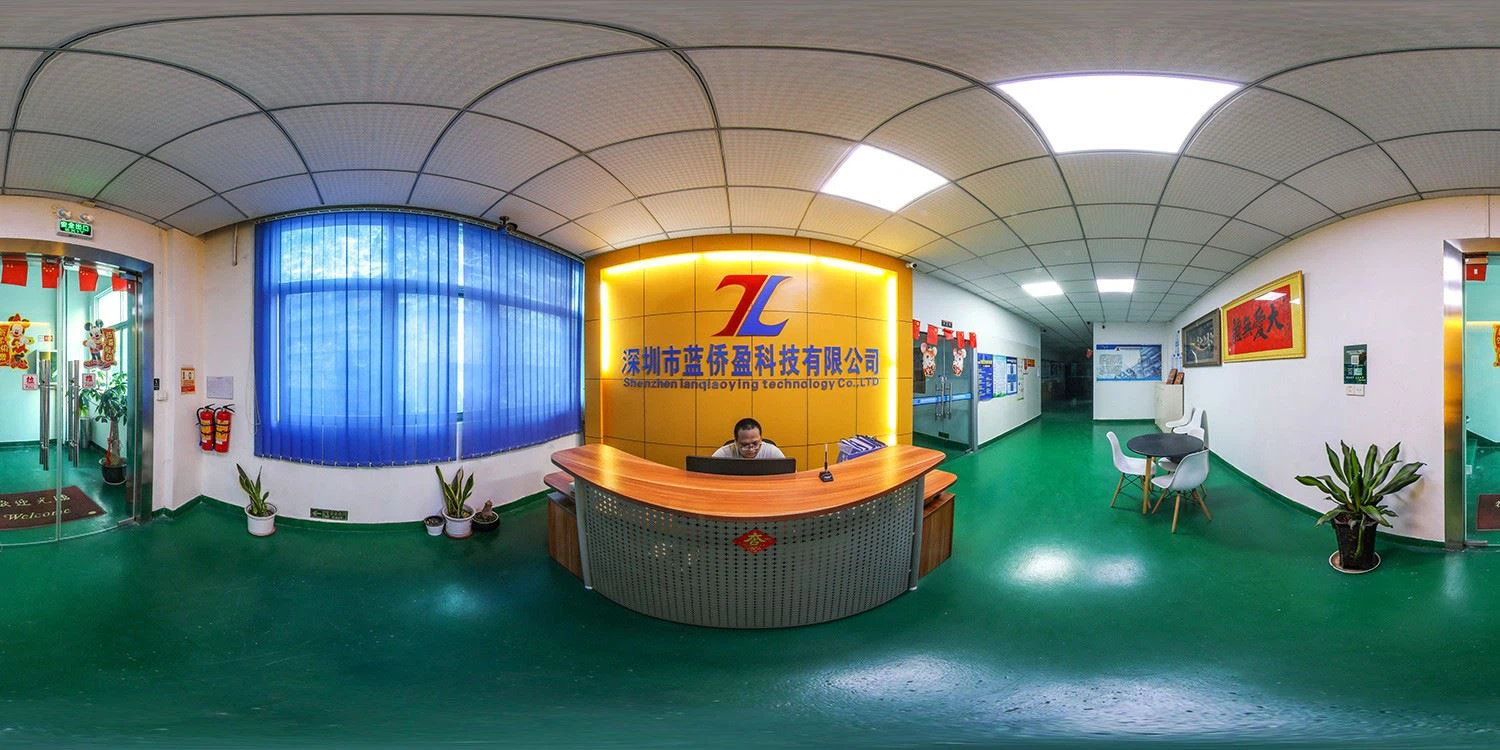
Founded in 2009, Shenzhen Lanqiaoying Technology Co., Ltd is an industry-leading manufacturer with registered funds 10 million RMB, specializing in the fields of precision hardware, copper nut, spring, kitchen ware, kitchen products, stainless steel products, and professional metal surface treatment. Lanqiaoying also continuously introduces foreign advanced precision equipment, with more than 30 imported automatic lathe, more than 70 full-automatic CNC spring machine, screw machine, hardware punching machine and other full-automatic production chain.
FAQ
Q: What is a bolt used for?
Q: What is a bolt vs screw?
Q: What is bolt and nut?
Q: What bolts are mostly used?
Q: Where are bolts commonly used?
Q: Are bolts stronger than set screws?
Q: What do bolts look like?
Q: What is a bolt without a head called?
Q: Which bolt is the strongest?
Q: Why is bolts important?
Q: What is the weakest part of a bolt?
Q: Do bolts weaken over time?
Q: Does bolt size matter?
Q: Can you use bolts in wood?
Q: Can you weld a bolt?
Q: Can I cut a bolt?
Q: Can a bolt be fully threaded?
Q: What holds a bolt in place?
Q: Are bolts iron or steel?
Q: What bolts won't rust?
We're well-known as one of the leading bolts manufacturers and suppliers in China for our customized products and wholesale service. Please feel free to buy quality bolts made in China here from our factory.